DESIGN
Sanjay Puri Architects' Prestige University in Indore is named World Building of the Year, while a 3D-printed kelp reef, a floating matcha chamber and a linear park in the Amazon round out a slate that rewards doing more with less.
LONDON
Every November, the World Architecture Festival distils a year of global building into a handful of headline prizes, and every year the results serve as a barometer of what the profession values most. The 2026 edition, whose winners were reported on November 21, sends an unmistakable message: the most celebrated architecture right now is resourceful, rooted in place and, often, made far from the traditional centres of design power.
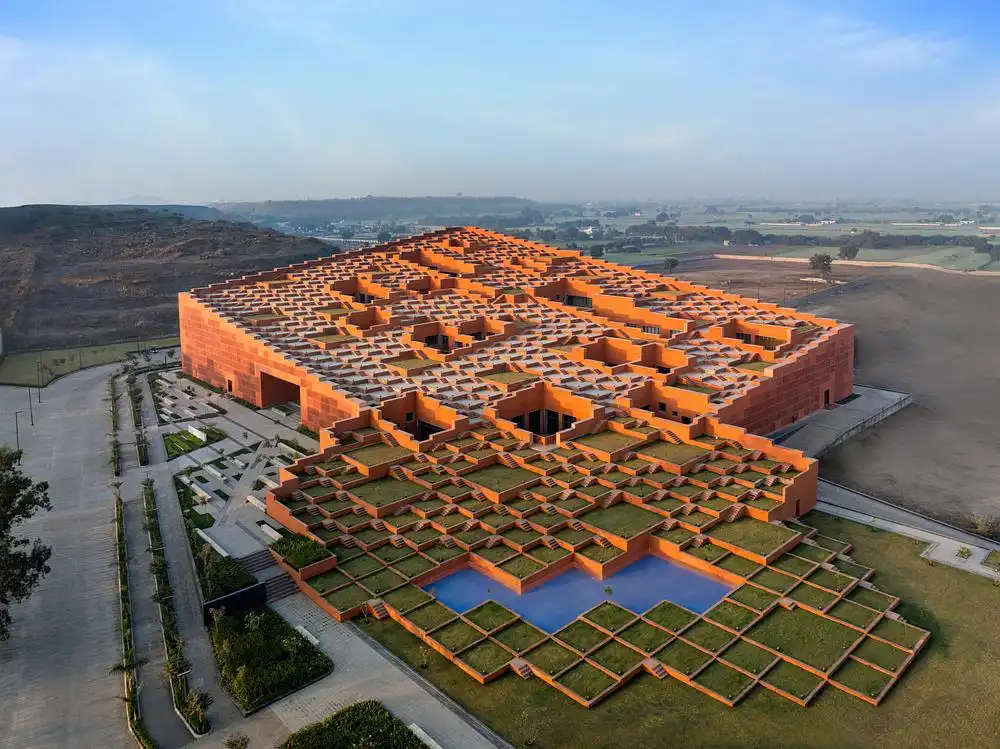
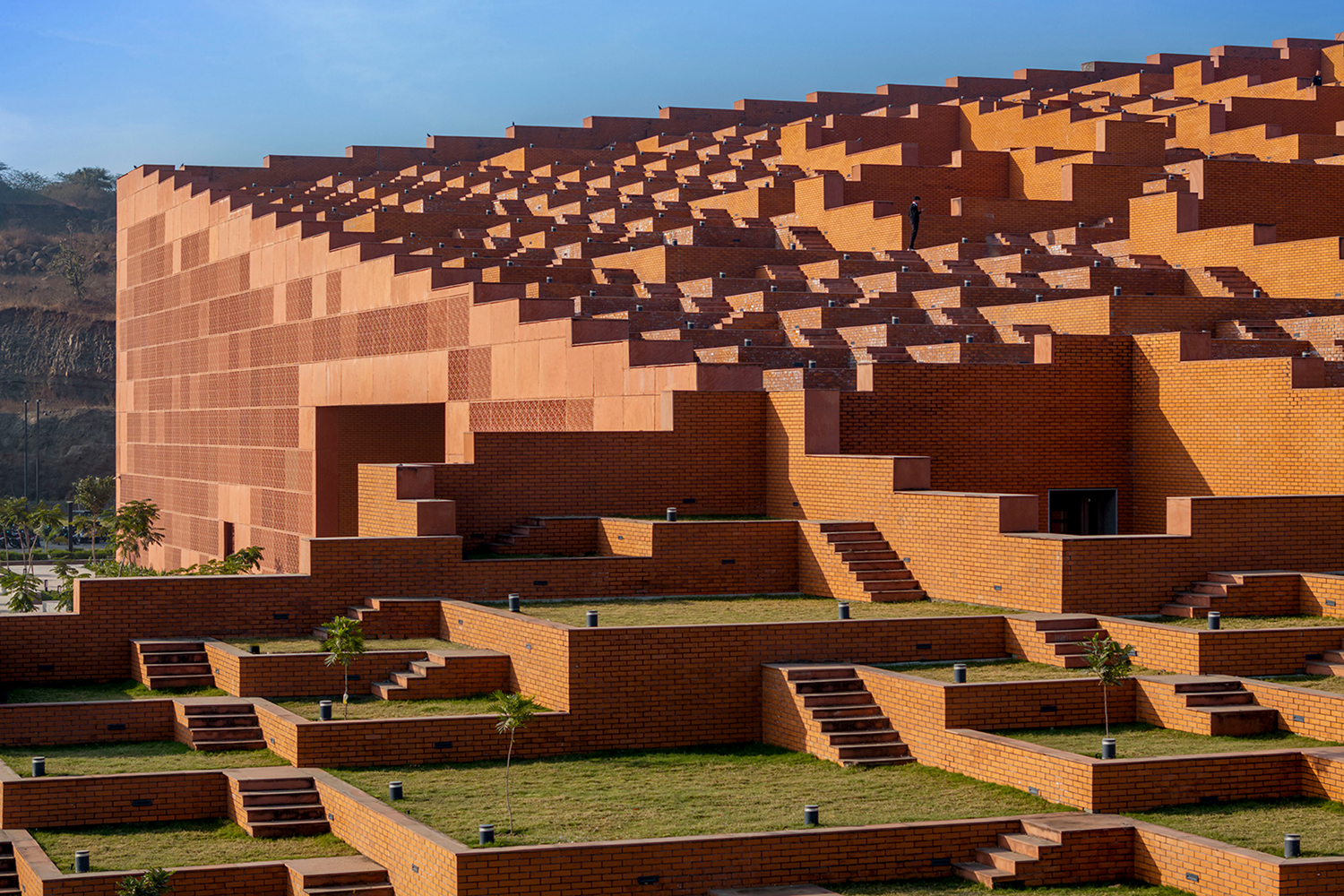
The festival's top honour, World Building of the Year, went to Prestige University in Indore, Madhya Pradesh, India, designed by Mumbai-based Sanjay Puri Architects. The 32-acre campus beat entries from around the world to take the title, according to e-architect's report on the awards.
A campus for India's next generation
Sanjay Puri's studio has built a reputation for sculptural, climate-responsive buildings across India, and a university campus is an especially resonant winner. Education buildings must accommodate rapid growth, intense heat and the daily movement of thousands of students, all while shaping how young people experience public space. A win for an Indian campus also reflects the extraordinary scale of construction in the country, where higher-education demand continues to drive ambitious new institutions in cities beyond the major metros.
Recognition at WAF tends to carry weight far beyond a trophy. Past World Building of the Year winners have become reference points for architects and clients alike, and the prize places Indore, a city more often associated with commerce and food culture than architectural tourism, firmly on the design map.
A floating tea room and a reef that stores data
World Interior of the Year, supported by lighting brand Deltalight, went to &Matcha Three Yards by MLA at Home in the Philippines. The 100-square-metre tea shop is organised around what e-architect describes as "a floating tea chamber, surrounded by water and tree planes." Judges praised its poetic demonstration of wabi-sabi imperfection and the experimental rawness of its materials. Smiles Premium Dental Clinic in Ankara, Turkey, by Wangan, was highly commended.
The Future Project of the Year was perhaps the most unexpected: Coding Kelp: Artificial Reef and Data Archive by Terreform ONE, planned for Vancouver Island, Canada. The project proposes a reef 3D-printed from calcium carbonate that supports marine life while doubling as a data archive. It also took the overall WAFX Prize, and the judges did not hold back.
"At this most critical moment for life on earth, 'coding kelp' offers timely hope." — WAF judges, as reported by e-architect
Landscape in the Amazon
Landscape of the Year went to Doca Linear Park in Belém do Pará, Brazil, by Natureza Urbana. Belém, the gateway city to the Amazon that hosted the COP30 climate summit in 2025, has become a focal point for debates about how cities in tropical regions can adapt to heat and flooding. Two American projects were highly commended in the category: Letters from the Lake by A Gang of Three in North Carolina and Field Operations' Seattle Waterfront Park in Washington.
The special prizes
WAF's special prizes painted an equally international picture. The Best Use of Colour award went to the University of Lisbon Students' Residences by CVDB arquitectos. Best Use of Natural Light was awarded to Melbourne's Metro Tunnel Project by RSHP, Hassell and WW+P, a reminder that daylight can transform even underground infrastructure. Nextoffice's Nedarag Guesthouse in Kahnanikash Village, in Iran's Sistan and Baluchestan province, won Best Use of Stone.
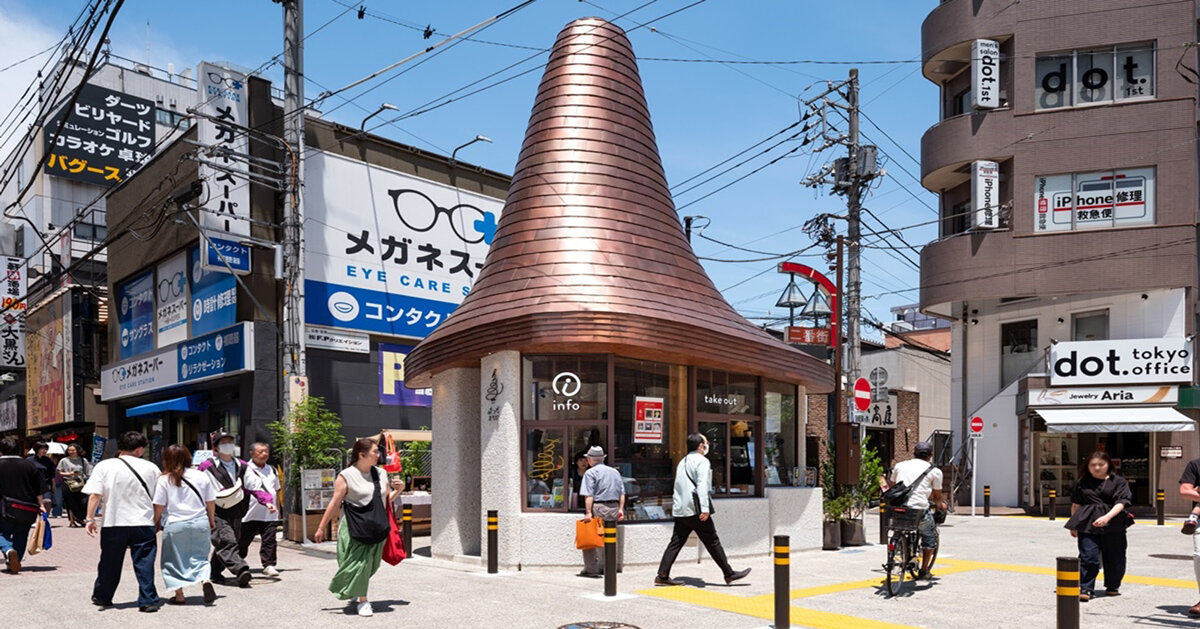
Nikken Sekkei's Hatmachida in Tokyo was named Small Project of the Year, and Limberlost Place in Toronto, a mass-timber building by Moriyama Teshima Architects and Acton Ostry Architects, took the ROCKWOOL-backed Sustainability Prize. SAOTA's 9Miles Learning Centre in Cape Town received the Melvin Prize, Desai Chia Architecture's Chatham Residence won the American Beauty Prize, and Carnegie Mellon University's bio-inspired terracotta for water harvesting took the GROHE Water Prize. The Student Charrette Prize went to Line of Resilience from IUAV University of Venice.
The judges of the special categories captured the common thread in a single line:
"Each one did more with less, and in doing so gave something back to its community, its context and the wider world."
What the results tell us
Taken together, the 2026 winners trace a clear shift. The grand prizes went to a campus in central India, a tea room in the Philippines, a reef off Canada's Pacific coast and a park in the Amazon basin, not to the signature towers of global capitals. Materials that are humble or regenerative, from stone to timber to calcium carbonate, dominate. And the language of the jury, focused on community and context, suggests that architecture's biggest stage is rewarding generosity over spectacle.
The festival also looked ahead. WAF 2027 will be held in Barcelona to mark the event's 20th anniversary, and the overall winner of the Hand Drawing Prize, for which Ross Cameron received a special mention, will be announced at Sir John Soane's Museum in London in early 2027.
What this means for you
Even if you are not commissioning a building, these winners are worth borrowing from. The matcha room's mix of water, greenery and raw materials translates easily into calmer homes and workspaces. The colour and daylight prizes are a reminder that the cheapest upgrades to any space are often a bold palette and a well-placed window. And if you travel, Melbourne's Metro Tunnel, Toronto's Limberlost Place and Seattle's waterfront are all public places where award-winning design can be experienced for the price of a transit fare.
The verdict
The World Architecture Festival has never been shy about using its prizes to make an argument, and the 2026 argument is persuasive. In a year shaped by climate anxiety and rising construction costs, the buildings that won were the ones that gave the most while taking the least. Prestige University now joins the ranks of the world's most celebrated buildings, and it does so as proof that the future of architecture is being drawn in many places at once.
Published By | Features Editor