A discreet vaginal ring that protects against HIV for 90 days straight has won a positive scientific opinion from the European Medicines Agency. It could cut the yearly cost of protection by nearly 60% and give millions of African women a prevention option they control.
NEW YORK / JOHANNESBURG
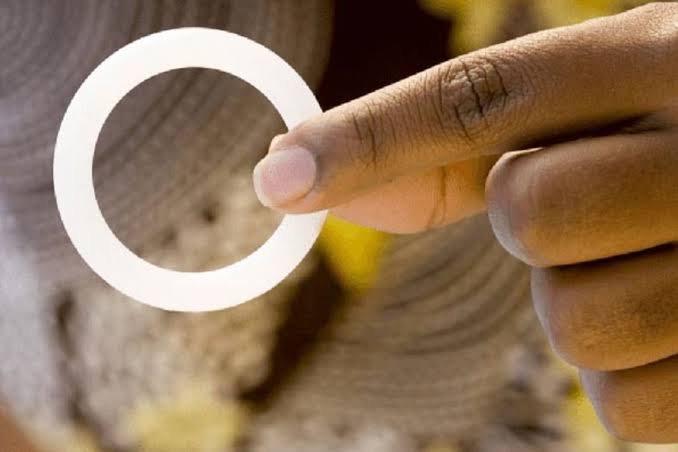
It is about the size of a bracelet, it is made of flexible silicone, and once it is in place, most women forget it is there. Now it can stay there for three months.
The European Medicines Agency (EMA) has given a positive scientific opinion to a three-month version of the dapivirine vaginal ring, a long-acting HIV prevention tool that women insert themselves and that slowly releases an anti-HIV drug where it is needed most. The opinion supports its use in women and adolescent girls aged 16 and older, including women who are breastfeeding.
The ring's developer, the New York-based nonprofit Population Council, announced the decision on November 16, and global health advocates have been celebrating it all week. On November 23, the Global Health Technologies Coalition highlighted it as one of the most important research developments of the month.
"Women and girls deserve HIV prevention options that work for their lives," said Leonard Solai, country director and global access and external affairs lead at Population Council.

The crisis the ring is built for
The numbers behind this decision are brutal. In sub-Saharan Africa, young women and adolescent girls carry a hugely disproportionate share of new HIV infections, driven by biology, gender inequality, age-disparate relationships and the simple fact that many cannot insist that a partner use a condom.
Prevention pills, known as oral PrEP, work extremely well when taken consistently. But uptake and day-to-day use among young women have stayed stubbornly low. A daily pill has to be stored, remembered, refilled and sometimes hidden from partners or family. Newer long-acting injectable options are a major advance, but Population Council notes that their supply in low- and middle-income countries is expected to remain limited for several years.
That is the gap the ring is meant to fill. It is a prevention method a woman can use on her own terms, without a partner's agreement and without a daily routine. The UNAIDS "Choice Manifesto," cited by Population Council, argues that women need a menu of prevention options because no single product will suit everyone.
How the ring works
The dapivirine ring is a flexible silicone ring inserted into the vagina, much like some contraceptive rings. It steadily releases dapivirine, an antiretroviral drug that blocks HIV from copying itself, directly into the vaginal tissue. Because the drug acts locally, only small amounts reach the bloodstream.
The original version, a monthly ring containing 25 milligrams of dapivirine, has been around for several years. It received a positive scientific opinion from the EMA in July 2020 for women aged 18 and older, carries World Health Organization prequalification and a WHO recommendation, and has been approved by regulators in 12 African countries.
The new product is a "line extension" of that monthly ring. It is the same size and shape, but it holds 100 milligrams of dapivirine, enough to be worn continuously for 90 days. That means a woman would need just four rings a year instead of twelve.
The trial behind the decision
The EMA's opinion rests on a phase 1 crossover study known as IPM 054, registered as NCT05416021, conducted in Bloemfontein, South Africa, by Population Council's affiliate IPM South Africa.
The study enrolled 124 HIV-negative women aged 18 to 45. Pregnant and breastfeeding women were excluded from the trial. Each woman used both rings, one after the other: 90 days with the monthly ring (replaced every 30 days) and 90 days with the three-month ring worn continuously, separated by a 28-day "washout" break.
The main goal was to measure how much dapivirine reached the body. Researchers also looked at drug levels in vaginal fluid, genital and urinary side effects, and changes in vaginal health, such as pH and bacterial vaginosis.
According to Population Council, the three-month ring was well tolerated and delivered higher dapivirine levels than the monthly ring. Based on those results, the council says the new ring is expected to provide protection "at least equal" to the monthly version.
There is an important nuance here. The trial did not directly measure how many women caught HIV. Its efficacy conclusion is built on so-called pharmacokinetic bridging: if the new ring delivers at least as much drug as the proven monthly ring, it should protect at least as well. Regulators commonly accept this approach for new versions of established products, but it is worth understanding what the evidence does and does not show.
Why "EU-M4All" matters, and what it is not
Readers in Europe should not expect to see this ring in their local pharmacy. The opinion was issued through the EMA's EU-Medicines for All procedure, known as EU-M4All, which was designed to help countries outside the European Union, particularly in Africa, evaluate medicines intended mainly for use there. It is a scientific seal of approval from one of the world's most respected regulators, not a European marketing license.
According to the specialist research news site CASRAI, which covered the EMA's November committee meeting, regulators from Kenya's Pharmacy and Poisons Board, South Africa's SAHPRA and Zambia's Medicines Regulatory Authority took part as co-evaluators. The opinion came out of the EMA's Committee for Medicinal Products for Human Use (CHMP) meeting held November 9 to 12, 2026, which also recommended seven new medicines for the EU.
The real-world payoff comes next. African regulators can lean on the EMA's review, together with WHO prequalification and so-called reliance pathways, to speed up their own national approvals. Population Council says it will pursue approvals across sub-Saharan Africa and explore other regions. CASRAI expects those national filings to roll out through 2027.
The money: nearly 60% cheaper per year
In global health, cost is often what decides whether a good product reaches the people who need it. Here, the three-month ring has a clear advantage.
Population Council says the annual product cost of the three-month ring is expected to fall by nearly 60 percent compared with the unsubsidized price of the monthly ring. Fewer rings also mean fewer clinic visits for replacements, which saves money for health systems and saves time, transport fares and lost wages for women.
To make sure the ring is actually produced and distributed, Population Council is handing the commercial license to Kiara Health, a South Africa-based pharmaceutical manufacturer and healthcare solutions provider. Financial terms have not been disclosed.
"Kiara Health is proud to partner with Population Council to advance access to the three-month dapivirine vaginal ring," said Dr. Skhumbuzo Ngozwana, chief executive officer of Kiara Health.
Manufacturing on the African continent, for African women, has been a long-standing demand of advocates who watched the continent wait at the back of the queue for vaccines and medicines during the COVID-19 pandemic.

Expert and community perspective
The response from women's health advocates has been warm but focused on what comes next.
"This is an important step towards expanding HIV prevention choices for women," said the African Women's HIV Prevention Accountability Board, a coalition that pushes for women's voices in prevention research and rollout.
Ring users have welcomed the prospect too. Oyama Eland, who uses the ring in Cape Town, South Africa, said she would like to switch to the three-month version.
Public health experts generally point to three issues to watch. The first is speed: the opinion only matters once national regulators approve the product and health ministries buy it. The second is integration: the ring has to be offered alongside pills, injections and condoms, with health workers trained to help women choose. The third is the age group. The new opinion covers adolescent girls from 16, younger than the 18-and-over population in the trial and in the original monthly ring opinion, which makes youth-friendly services, counseling and parental and community engagement especially important.
It is also important to be clear about what the ring cannot do. It protects only against HIV acquired through vaginal sex. It does not prevent pregnancy, and it does not protect against other sexually transmitted infections such as syphilis, gonorrhea or chlamydia. Condoms remain the only method that offers protection against both HIV and other STIs.
What this means for you
If you live in Europe or North America, this decision will not change your options directly. HIV prevention there relies mainly on PrEP pills, long-acting injections and condoms, and you should talk to a doctor or sexual health clinic about which suits you.
If you are a woman in sub-Saharan Africa, especially in a country that already offers the monthly ring, the three-month ring could arrive at clinics once your national regulator approves it, likely over the coming year or two. If you already use the monthly ring, keep using it as directed until the new version is available and your clinic advises a switch.
Whatever method you use, regular HIV testing is essential, because any PrEP method works only for people who are HIV-negative. Ask your clinic about all the options, including daily pills, injections and the ring, and choose the one you are most likely to use consistently. A method you actually use is the one that protects you.
The bottom line
Four rings a year instead of twelve may sound like a small change. For a young woman in a rural district who has to travel hours to reach a clinic, it can be the difference between staying protected and quietly falling off prevention altogether.
The EMA's positive opinion gives the three-month dapivirine ring a powerful stamp of scientific credibility. The evidence is built on drug-level data rather than a fresh efficacy trial, and the hardest work, approvals, purchasing and distribution, still lies ahead. But with a manufacturing partner in South Africa, a projected cost cut of nearly 60 percent and African regulators already involved in the review, the path from Amsterdam to clinics in Johannesburg, Nairobi and Lusaka looks shorter than it has for many medicines before it. For millions of women who have been asking for HIV prevention they can control, that is very good news.
Published By | Features Editor