A cancer antibody just became the first medicine ever approved for a rare autoimmune disease that can quietly destroy the kidneys, and in a head-to-head trial it put six times as many patients into complete remission as the drug doctors have relied on for years
Health
For decades, patients diagnosed with primary membranous nephropathy heard the same uncomfortable sentence from their doctors: there is no approved treatment for this. They got borrowed drugs. Off-label immune suppressants. Chemotherapy agents repurposed from other diseases. And a long, anxious wait to see whether their kidneys would recover or slowly fail.
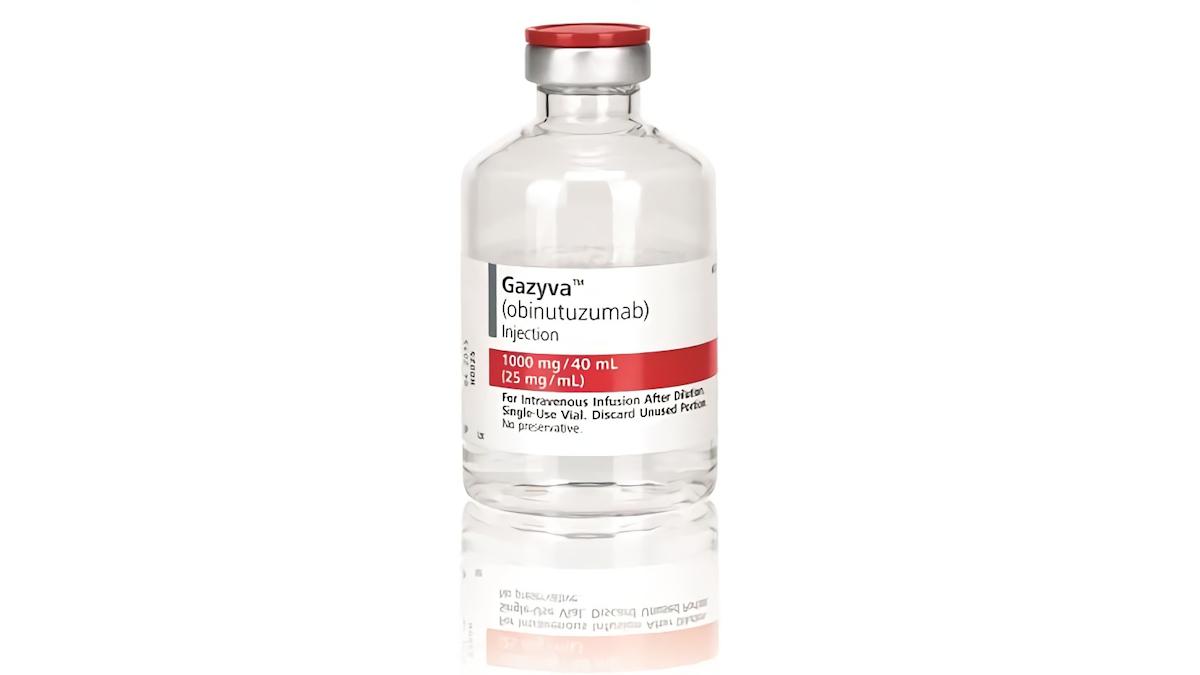
That changed in the past few days. The U.S. Food and Drug Administration has approved Gazyva (obinutuzumab), made by Roche's Genentech unit, to induce remission of proteinuria in adults with primary membranous nephropathy (PMN) who are at risk of disease progression. It is the first drug ever approved specifically for the condition, in the United States or Europe.
The decision, announced by the FDA on November 13 and rolled out by Genentech and the trade press through November 16, lands after a pivotal trial that produced the kind of numbers kidney doctors rarely see in this disease. More than a third of patients on Gazyva were in complete remission after two years. On the old standby drug, barely one in seventeen were.
The Disease Most People Have Never Heard Of
Primary membranous nephropathy is a rare autoimmune disease, and that is precisely why it rarely makes headlines. In PMN, the immune system turns on the kidney's own filters, the tiny clusters of blood vessels called glomeruli that clean waste from the blood while holding on to the proteins the body needs.
Immune deposits build up along the filtering membrane. The filter starts to leak. Protein that should stay in the bloodstream pours out into the urine instead. Doctors call this proteinuria, and it is the hallmark of the disease.
For patients, it can look like nothing at first, then like a lot. Foamy urine. Swollen ankles, legs and eyelids. Weight gain from retained fluid. Fatigue that does not lift. Heavy protein loss can also raise cholesterol and the risk of dangerous blood clots. Many people only discover the condition when a routine urine test comes back abnormal, or when swelling becomes impossible to ignore.
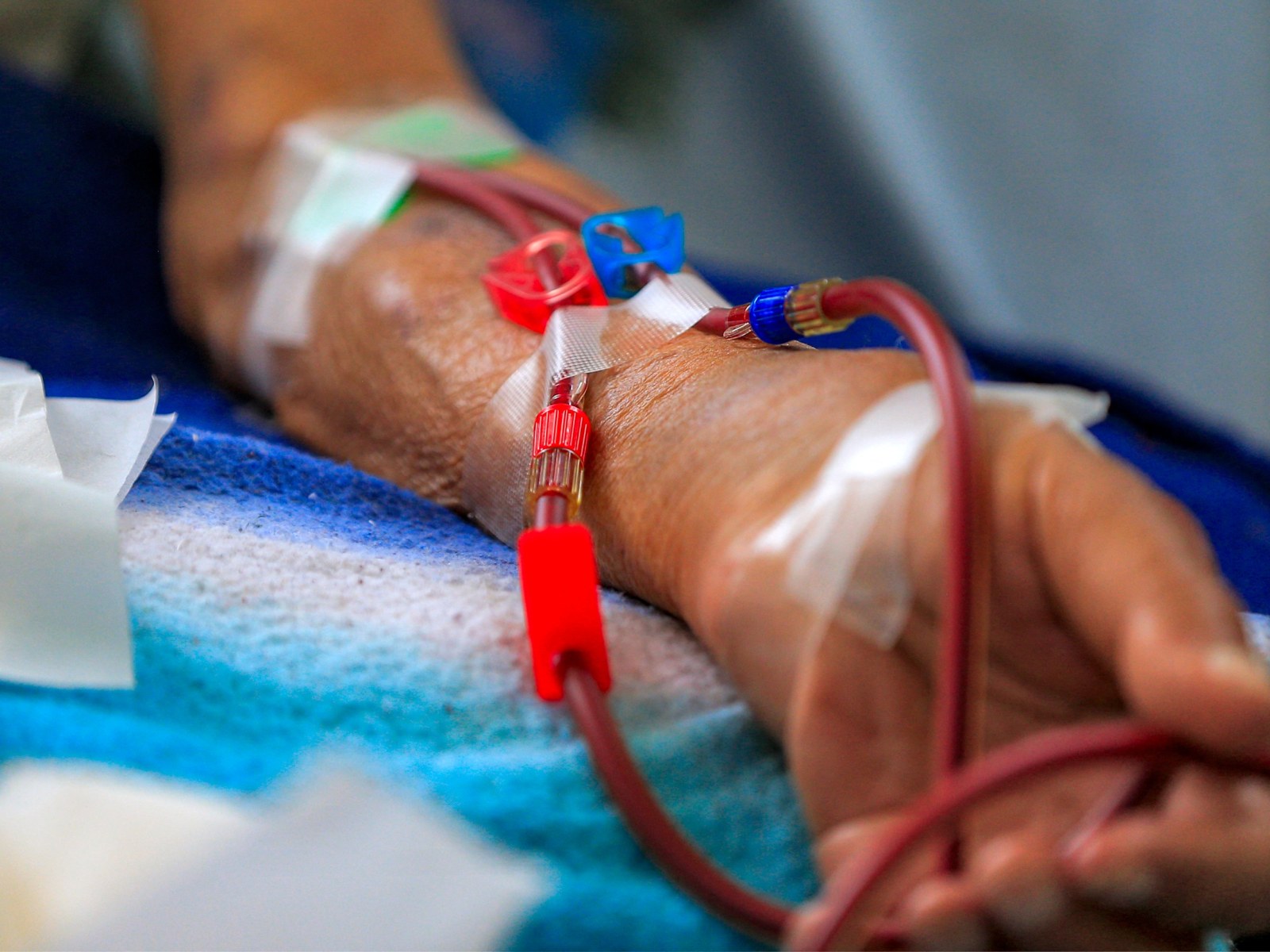
Then comes the real danger. According to Genentech, up to 30% of untreated patients progress to kidney failure within ten years. Kidney failure means dialysis several times a week or a transplant. For a disease that often strikes adults in the prime of their working lives, that is a brutal prognosis.
Borrowed Drugs and Hard Choices
Until now, there was no therapy carrying FDA or European Medicines Agency approval for PMN. Doctors made do with what they had. One mainstay has been tacrolimus, a calcineurin inhibitor best known for preventing organ transplant rejection, used off-label for PMN. Others turned to cyclophosphamide-based regimens, an old chemotherapy approach with notable toxicity, or to rituximab, an earlier anti-CD20 antibody, also off-label. Each option carried trade-offs: relapse when the drug was stopped, side effects that worried patients and doctors alike, and no regulatory seal of approval to settle arguments with insurers.
That uncertainty is a big part of why the Gazyva decision matters. An approved label does not just mean a new drug on the shelf. It means a clear, evidence-backed option with a defined place in treatment.

The Trial That Changed the Game
The approval rests on MAJESTY, a phase 3, randomized, open-label, multicenter trial. Researchers enrolled 142 adults with PMN and split them roughly evenly: 71 received intravenous Gazyva and 70 received oral tacrolimus, the off-label drug many specialists already use. Patients were followed for 104 weeks, a full two years.
The bar for success was high. The primary goal was complete remission at week 104, defined as a urine protein-to-creatinine ratio of 0.3 or lower with stable kidney function, measured by eGFR. In plain English: the leak had to be essentially plugged, and the kidneys had to be holding steady.
The results were stark. At two years, 37% of Gazyva patients (26 of 71) were in complete remission, compared with just 6% of tacrolimus patients (4 of 70). That is an adjusted difference of 31 percentage points, with a P value below .001. The FDA's own label figures put it at 36% versus 6%.
When partial responses were counted too, 50% of Gazyva patients were in complete or partial remission at week 104, versus about 13% on tacrolimus. Gazyva also beat tacrolimus on complete remission at week 76.
The findings were presented at the European Renal Association Congress in June 2026 and published in the New England Journal of Medicine, one of the most prestigious medical journals in the world.
Not everything was a slam dunk. A secondary endpoint looking at sustained declines in kidney function of 30% or more did not reach statistical significance, which meant later endpoints, including how long remissions lasted and changes in fatigue scores, could not be formally tested under the trial's pre-set statistical rules. Kidney doctors will be watching longer-term data closely to see how durable those remissions prove to be.
How Gazyva Works
Gazyva is not a new molecule. It has been on the market for years as a treatment for certain blood cancers, and it has since been approved for active lupus nephritis and childhood-onset idiopathic nephrotic syndrome. Its move into a third kidney indication shows how much the field has shifted toward attacking the immune roots of kidney disease.
The drug is a glycoengineered type II anti-CD20 monoclonal antibody. That mouthful means it targets a marker called CD20 found on B cells, the immune cells that produce the rogue antibodies attacking the kidney's filters in PMN. Gazyva wipes out those B cells, including the stubborn ones that hide in tissues, cutting off the antibody supply at its source.
That deeper B-cell depletion is the theory behind why it might outperform older approaches. The MAJESTY numbers suggest the theory holds up.
The Fine Print: Safety
Wiping out B cells is not without risk, and Gazyva carries a boxed warning, the FDA's strongest, for two serious problems: reactivation of hepatitis B virus and progressive multifocal leukoencephalopathy (PML), a rare but serious brain infection.
In MAJESTY, though, the overall safety picture looked broadly similar between the two arms. Grade 3 or higher adverse events occurred in 22% of Gazyva patients and 19% of tacrolimus patients. Serious adverse events hit 17% and 14% respectively. Infection rates were 61 versus 57 per 100 patient-years, and serious infections were 3 versus 4 per 100 patient-years. One patient in each group died during escape therapy.
The most common side effects with Gazyva were infusion-related reactions and upper respiratory tract infections, along with neutropenia, a drop in a type of white blood cell. Genentech says the safety profile was consistent with what doctors already know about the drug, with no new safety signals.
Pharmacy experts writing in Drug Topics stressed practical steps: screening for viral infections like hepatitis B before treatment, giving premedication to reduce infusion reactions, and educating patients about infection risk.
Expert Perspective
Genentech's chief medical officer, Levi Garraway, MD, PhD, called the decision "an important step forward for people living with primary membranous nephropathy," pointing to the drug "achieving significantly higher complete remission rates compared with tacrolimus."
The FDA clearly saw it as a priority too. Gazyva had been granted Breakthrough Therapy designation for PMN in April 2026, carries Orphan Drug status, and its supplemental application was accepted for Priority Review in July 2026. That fast-track path meant the decision came within months, not years.
For nephrologists, the significance goes beyond one drug. Complete remission is the outcome most strongly linked to protecting kidneys long-term in membranous disease. A therapy that delivers it in more than a third of patients, measured against the drug many specialists were already using, gives doctors a new benchmark. It also hands patients something they rarely had before: a treatment their insurer cannot easily dismiss as experimental.
Still, specialists caution against overstating the result. Half of the Gazyva patients did not reach any remission at all by two years, and the trial compared against tacrolimus rather than every off-label option in use. The open-label design, where patients and doctors knew which drug was being given, is also something experts will weigh. The question of who benefits most, and who should get which drug first, will play out in clinics and in treatment guidelines over the coming months.

What This Means for You
If you or someone you love has been diagnosed with primary membranous nephropathy, this approval is worth a conversation with your kidney specialist. Ask whether you are considered "at risk of disease progression," the group the label covers, and whether Gazyva might be appropriate for you compared with your current plan.
If you already have stable remission on another treatment, there may be no reason to switch. Do not stop or change any medication without talking to your doctor.
If you are starting Gazyva, expect infusions given in a clinic, blood tests beforehand to check for hepatitis B and other infections, and medicine before each infusion to reduce reactions. Report fever, cough, or other signs of infection promptly, and tell your care team right away about any new confusion, weakness, vision changes or trouble speaking, since those can be warning signs of PML.
And if you have never heard of PMN but notice persistent foamy urine or unexplained swelling in your legs, ankles or face, do not shrug it off. A simple urine test can flag protein loss, and kidney disease caught early is kidney disease that can often be slowed or stopped. Watch your insurer, too. Newly approved uses of expensive biologic drugs can take time to land on coverage lists. Your nephrology clinic's financial team or the manufacturer's patient support program can help you navigate prior authorization.
The Bottom Line
For a disease that has spent decades on the medical sidelines, this is a genuine milestone. Primary membranous nephropathy now has its first approved drug, backed by a rigorous two-year trial in which complete remission was six times more common than on the standard off-label treatment.
It is not a cure, and it is not for everyone. The boxed warnings are real, half of trial patients did not respond fully, and longer follow-up will tell how lasting those remissions are. But for patients who have spent years on borrowed drugs and borrowed time, the message from Washington this month is simple: someone finally wrote a treatment with your name on the label.
Published By | Health News Editor