Written By | Fashion and Design Desk
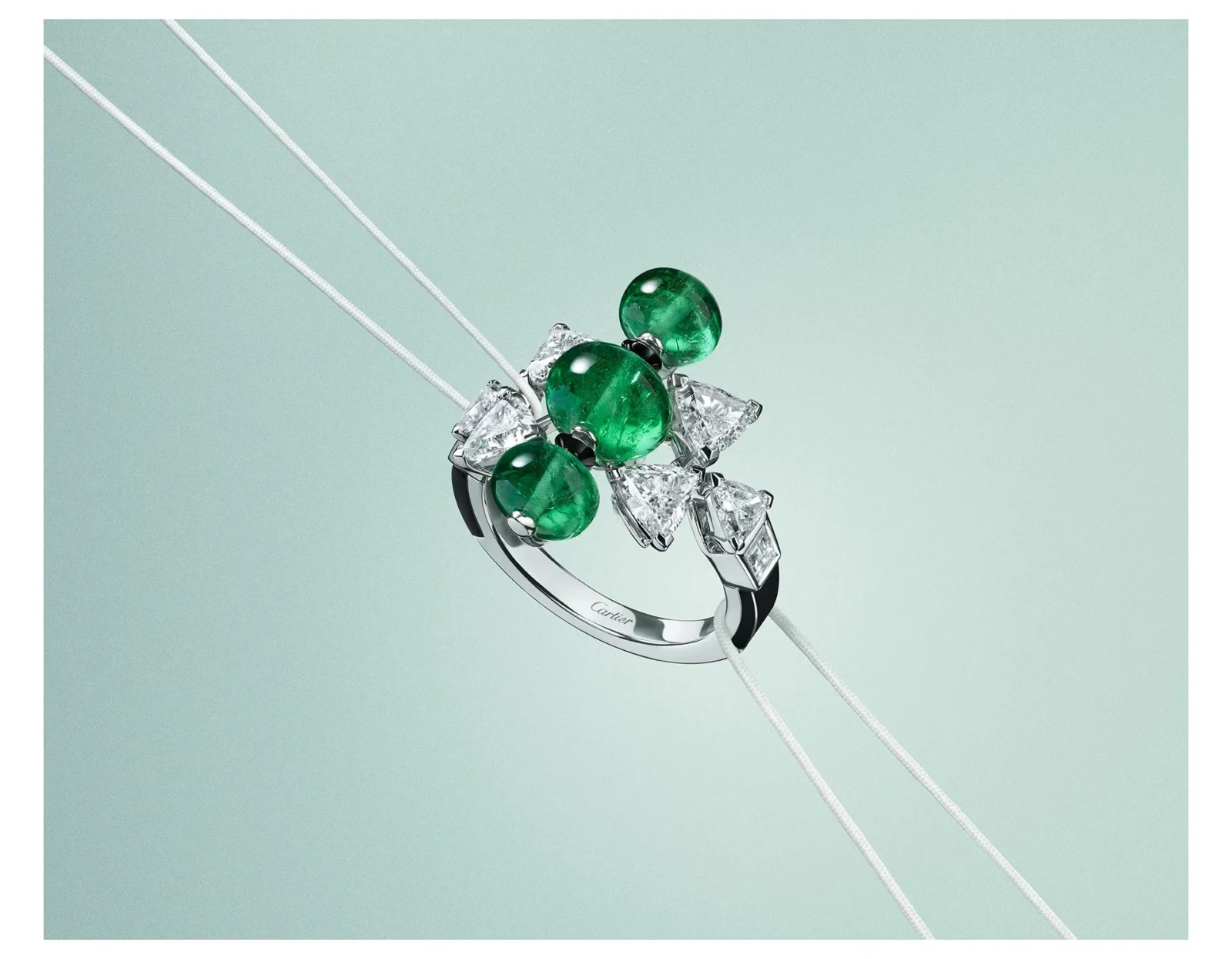
The Swiss luxury group behind Cartier and Van Cleef & Arpels lifted half-year net profit 39 percent to 2.5 billion euros
GENEVA
While much of the luxury industry has spent the past two years explaining away sluggish handbag sales and cautious shoppers, one corner of the business has kept glittering. On Friday, November 13, Compagnie Financière Richemont, the Geneva-based group that owns Cartier, reported first-half results that once again made fine jewelry look like the safest bet in fashion.
For the six months from April to September, Richemont's net profit rose 39 percent to about 2.5 billion euros, according to AFP reporting carried by FashionUnited. Revenue climbed 16 percent to nearly 12.3 billion euros, slightly ahead of the 12.26 billion euros analysts polled by AWP had expected. Operating profit rose 33 percent to 3.1 billion euros, or 2.9 billion euros excluding one-time tariff-related gains of 229 million euros, according to figures reported by Billionaires.Africa.
Jewelry Does the Heavy Lifting
The engine, as it has been for some time, was jewelry. Sales at Richemont's Jewellery Maisons, led by Cartier, rose 18 percent to 9.1 billion euros, about three-quarters of the group's total. Its specialist watchmakers, a business that has struggled across the Swiss industry, grew a more modest 9 percent to 1.7 billion euros, with double-digit growth in every major region except Asia-Pacific, where China weighed on results. The "Other" category, which includes fashion and accessories houses such as Chloé, Alaïa, Delvaux and Gianvito Rossi, plus Montblanc, also grew 9 percent, to 1.4 billion euros.
The regional breakdown tells its own story. At constant exchange rates, sales rose 23 percent in the Americas, 16 percent in Asia-Pacific, 13 percent in Europe and 30 percent in Japan, while the Middle East and Africa slipped 2 percent. Tourist spending fell to about 15 percent of sales, a sign that shoppers are buying closer to home rather than saving their purchases for trips to Paris or Tokyo.
So Why Did the Shares Fall?
Strong numbers did not stop investors from selling. Richemont shares fell as much as 9 percent on Friday and were down 4.7 percent by mid-morning in London, according to Billionaires.Africa. The reason was in the second quarter. Jewelry sales grew 14 percent at constant exchange rates in the July-to-September period, to 4.41 billion euros, below the 16 percent analysts had expected and down from 20 percent growth in the first quarter. Group second-quarter sales, at 5.95 billion euros, actually beat the consensus estimate, but in a market that has priced jewelry as luxury's unstoppable growth story, a slowdown is news.
Chairman Johann Rupert framed the half as resilient. In the company's statement, he said the group "delivered solid results in a volatile geopolitical and macroeconomic environment," and he expects similar conditions "in the foreseeable future." According to Billionaires.Africa, chief executive Nicolas Bos said long-term demand for jewelry remains positive and that growth is coming mainly from higher volumes, not only from price increases. Rupert, the group's controlling shareholder, added that Richemont could raise prices but does not want to be excessive.
Why Jewelry Became Luxury's Safe Harbor
Richemont's results fit a pattern that has reshaped the luxury market. As shoppers grew more selective after the post-pandemic spending surge, many pulled back on logo-heavy handbags and seasonal ready-to-wear. Fine jewelry, especially recognizable signatures from houses like Cartier, has held up better. It is seen as something that lasts, can be worn every day, and can be passed down. It also tends to hold its value, which matters to shoppers who feel guilty about spending heavily on trend-driven pieces.
FashionUnited reported the same week that luxury shoppers are turning to leather goods and accessories as holiday gifting begins. Richemont's numbers suggest that, at the top of the market, the strongest gifting category is the one that comes in a small red box.
The Questions Hanging Over the Sparkle
The second-quarter slowdown raises a fair question: can jewelry keep carrying the group as growth returns to more normal levels? Price increases have helped the whole sector, and Rupert's comments suggest Richemont knows there is a limit to how far it can push them before even wealthy customers start to hesitate. Watches remain a weaker spot, and China, once the industry's growth engine, is described as soft but stable rather than recovering.
There are also boardroom questions. Rupert's son Anton became co-deputy chairman in September, though no timetable has been set for any change at the top. And Rupert declined to confirm whether Richemont is considering joining a consortium seeking a stake in diamond giant De Beers, a move that would link the jewelry houses more closely to their raw materials.
What This Means for You
For shoppers, the takeaway is mixed. Demand for signature pieces like Cartier's classic bracelets and Van Cleef's clover motifs shows no sign of fading, which means prices are unlikely to fall and popular designs may sell out over the holidays. If you are considering a major jewelry purchase as a gift or an investment, buying earlier in the season rather than later is sensible. Rupert's comments about not wanting to raise prices excessively may also point to steadier pricing in the year ahead than the steep increases shoppers have seen lately.
For those following the fashion business, the lesson is clear: in today's luxury market, staying power is the strongest selling point. Pieces that feel timeless are winning over trend-driven ones.
The Bottom Line
Richemont just had a record-setting half, and it is a jewelry company in all but name. A 39 percent jump in net profit and 18 percent growth in jewelry would be the envy of almost any fashion group. But Friday's share price drop is a reminder that markets look ahead, and the second-quarter slowdown shows that even Cartier's boom has a natural pace. For now, the world's appetite for gold and gemstones is holding steady, and Richemont is set up to benefit from it.
Sources
FashionUnited, "Richemont: half-year net profit climbs to 2.5 billion euros" (AFP, November 13, 2026); Billionaires.Africa, "Johann Rupert faces Richemont share slide as jewelry growth cools" (November 13, 2026); FashionUnited holiday gifting report (November 13, 2026). Quotes from Johann Rupert are from Richemont's results statement as reported; Nicolas Bos's comments are paraphrased as reported.