Written By | Business Experts
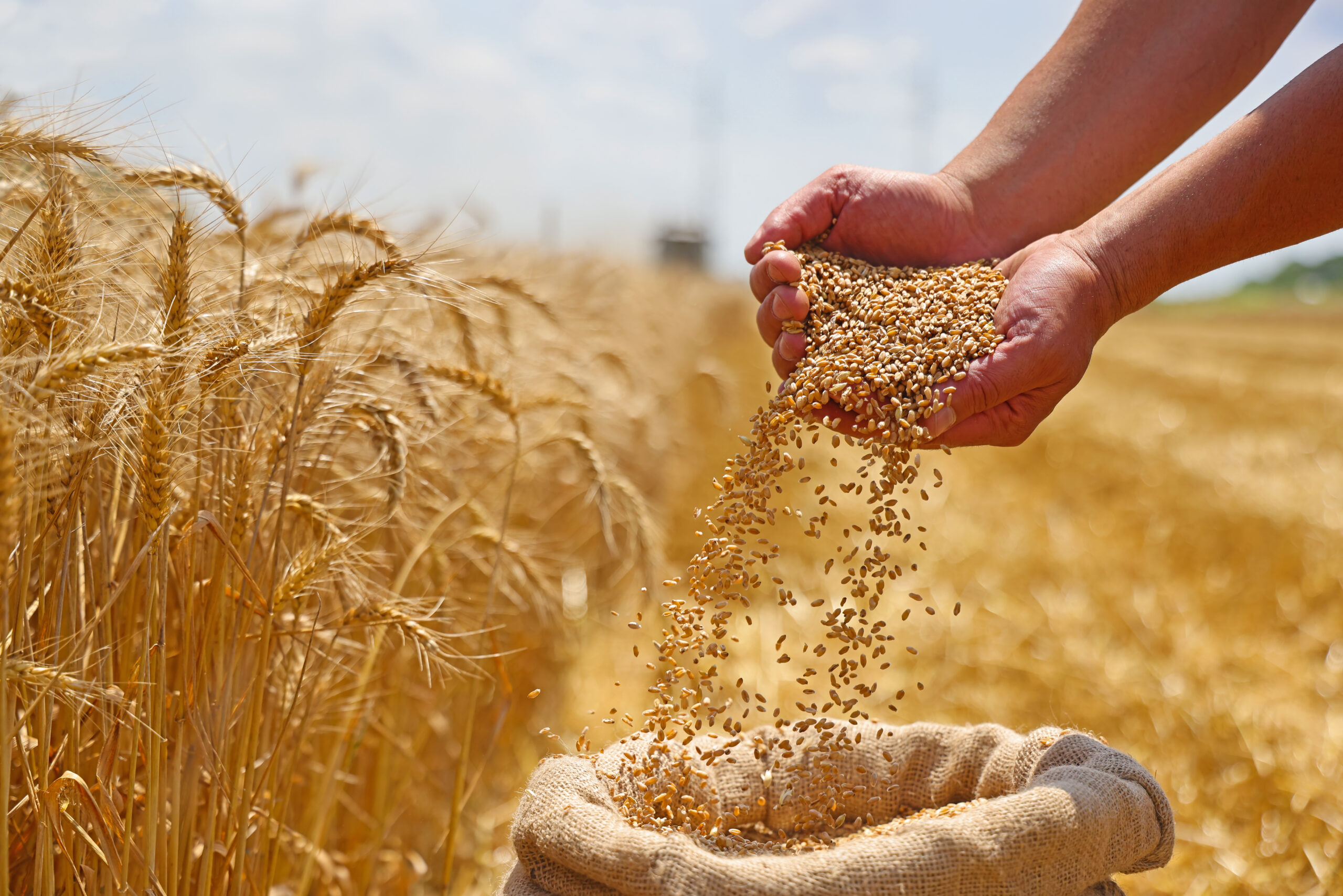
North Africa is set to import far less wheat in 2026/27 and world prices have eased
Economic & Social Transformation
Wheat is one of the clearest signs of Africa's social change and one of its biggest economic weak points. Bread, pasta, chapati and noodles have spread from North African cities and coastal capitals into the diets of a fast-urbanising continent. Most of the grain behind that shift still arrives by ship. When Russia invaded Ukraine in 2022, governments from Cairo to Lagos found out how much of their food security, foreign-exchange reserves and political stability depended on prices set in Chicago and on the Black Sea.
The 2026/27 season looks better. The FAO's Food Outlook, published on 19 November 2026, describes global wheat supplies as generally comfortable. It notes that wheat prices fell in October amid subdued import demand and better production prospects, and it forecasts world cereal trade to contract, mostly because wheat trade is falling. Several large African importers are also harvesting more at home. This article looks at what that reprieve consists of, who gains from it, and the policy choices the cheaper grain leaves open.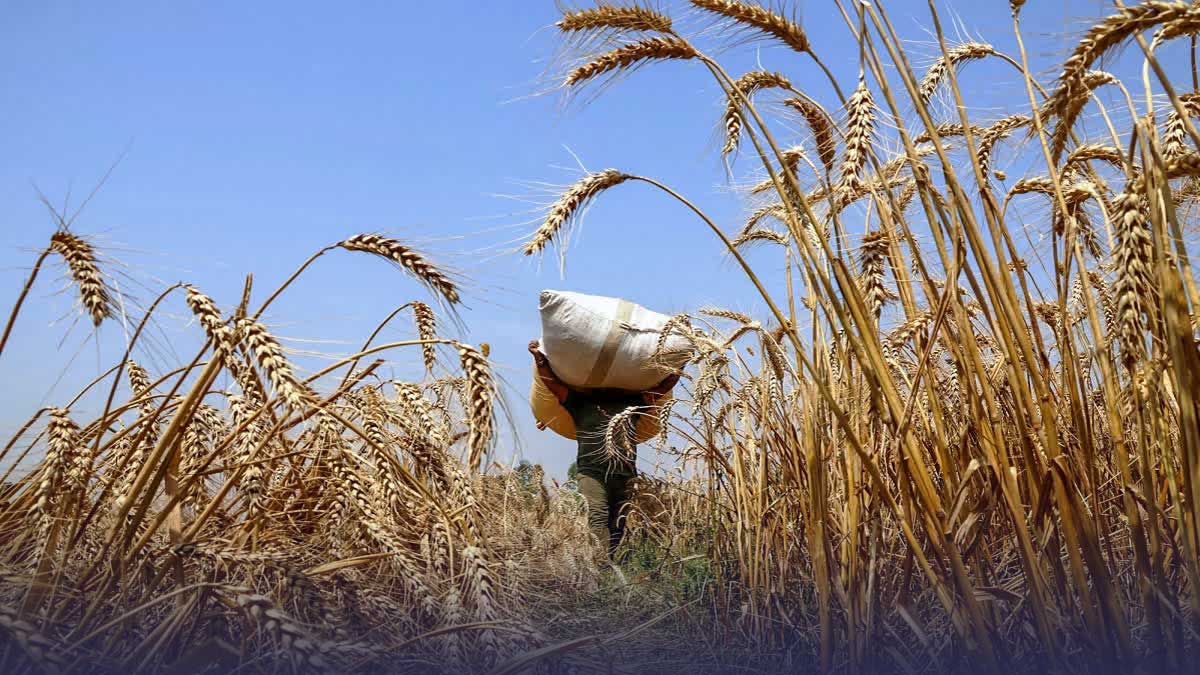
North Africa: the first contraction in five years
North Africa remains the centre of the continent's wheat economy. In its May 2026 global grains report, the US Department of Agriculture (USDA) projected that the region would import a combined 29 million tonnes in the 2026/27 marketing year, down 12.9% from 33.3 million tonnes the season before. That would be the first fall in regional wheat imports in five years. Ecofin Agency reported the main driver as better harvest prospects after several drought-hit seasons.
Morocco shows the largest swing. The May USDA estimate put Moroccan imports at about 4 million tonnes, nearly 43% lower year on year, and a later revision cut that to 3.7 million tonnes against 6.5 million in 2025/26. The FAO is more cautious at roughly 5 million tonnes, about 15% below the five-year average. To protect farmers selling the recovered crop, Rabat temporarily raised the customs duty on soft-wheat imports over the summer harvest window and later extended the measure to 31 August. In Algeria, the USDA expects a record crop of about 4.1 million tonnes, up 28%, and imports about 10% lower. The FAO still puts Algeria's import requirement near 8.5 million tonnes, so even a record harvest leaves the country structurally dependent on imports.
Egypt: a record crop and a bread subsidy under review
Egypt is still the world's largest wheat buyer, but its numbers are moving the right way. In October, UkrAgroConsult reported a USDA assessment putting Egypt's 2026/27 crop at a record of about 10 million tonnes. The main driver is a larger harvested area, which rose from 1.33 million to around 1.5 million hectares, helped by higher state procurement prices, certified seed and early-maturing varieties. Imports are forecast at about 12 million tonnes, 23% lower and the smallest volume since 2022/23. The USDA's Cairo post had projected 12.5 million tonnes in March. Consumption is expected to rise only about 0.5% to 20.7 million tonnes, even with a population above 108 million and a large refugee and migrant population. Egypt also plans to raise wheat-flour exports by about 17% to 1.4 million tonnes, mainly to Somalia, Yemen, Sudan and Eritrea, turning its milling sector into a regional supplier.
The larger question is fiscal and social. Egypt's subsidised baladi loaf still sells for 20 piasters. About 71 million people are registered for five 90-gram loaves a day. In March 2026, the supply minister confirmed that the price would hold despite fuel increases of up to 17%, with the state covering the extra diesel costs of bakeries, estimated at about EGP 1.6 billion a year. Estimates of the total bread subsidy range from about EGP 116 billion to EGP 120 billion a year. In May, Mada Masr reported, citing unnamed sources, that the government was considering ending the in-kind subsidy in favour of a card-based transfer, with bread sold at a market price of around EGP 2 per loaf. That has not been officially confirmed. A bigger domestic harvest and cheaper imports lower the cost of the current system, but they also give policymakers rare room to redesign it without a shock to the bread price.
Ethiopia: self-sufficiency on paper, high prices in practice
Ethiopia is often presented as the continent's wheat success story. Under the National Wheat Flagship Program, launched by Prime Minister Abiy Ahmed in 2019 and backed by the African Development Bank (AfDB), CIMMYT, AGRA and the Global Center on Adaptation, the country expanded irrigated lowland wheat, mechanisation and heat-tolerant seed. In December 2025, officials declared that Ethiopia had replaced its imports with domestic grain and was saving about US$1 billion a year. AfDB planning documents had targeted 9.6 million tonnes by 2025/26 and a surplus of 1.1 million tonnes for export, based on 1 million hectares of irrigated wheat yielding about 4.2 tonnes per hectare. In October 2026, Nigeria's Vice President Kashim Shettima said Abuja would adopt Ethiopia's mechanised model.
The market data tell a more mixed story. A September 2026 Milling Journal analysis, drawing on USDA FAS surveys, found that domestic wheat often costs more than imported grain, because of high input costs, weak logistics and a reintroduced 25% import tariff. Ethiopia has more than 500 flour millers with a combined capacity of 4 to 5 million tonnes, and their utilisation often falls below 50%, sometimes to 20%. Some mills are closing or switching to other businesses. Millers also say imported wheat has better gluten content. Demand keeps rising: the USDA expects consumption to reach 8.2 million tonnes in 2026/27, up about 3.8%, as urban households switch from maize and sorghum to bread and pasta. Ethiopia shows that output targets can be met while consumers and processors still face prices above import parity, which looks less like food security than a cost transfer.
Kenya: drought, milling overcapacity and a buy-local quota
Kenya shows East Africa's structural deficit. The USDA's Nairobi Grain and Feed Annual (March 2026) estimates that drought in Timau and Laikipia cut the 2025/26 crop to about 220,000 tonnes. It forecasts a rebound to 280,000 tonnes in 2026/27, against consumption of about 2.77 million tonnes, so imports stay near 2.55 million tonnes, mostly from Russia, Argentina and Australia. Kenya holds no public wheat stocks. The report also identifies a quieter constraint: wheat area is limited by inheritance-driven subdivision of farmland and short-term leases that discourage investment in soil.
Kenya's policy tool is a quota-for-tariff deal. Under the Wheat Purchase Program, millers who buy local grain at negotiated prices (Grade 1 at KSh 52,777.78 per tonne, roughly US$409) can import at a 10% tariff rather than 35%. The pricing problem is clear in the import figures: wheat landed at Mombasa traded at about US$275–285 per tonne in December 2025, down from an average of US$408 in 2024. Kenya's mills can process about 4 million tonnes a year but operate at only 30–60% of capacity, and about 40 large millers control roughly 90% of that capacity. Cheaper world wheat helps bakers and consumers, but it widens the gap between the protected farmgate price and import parity, which makes the buy-local arrangement harder to justify.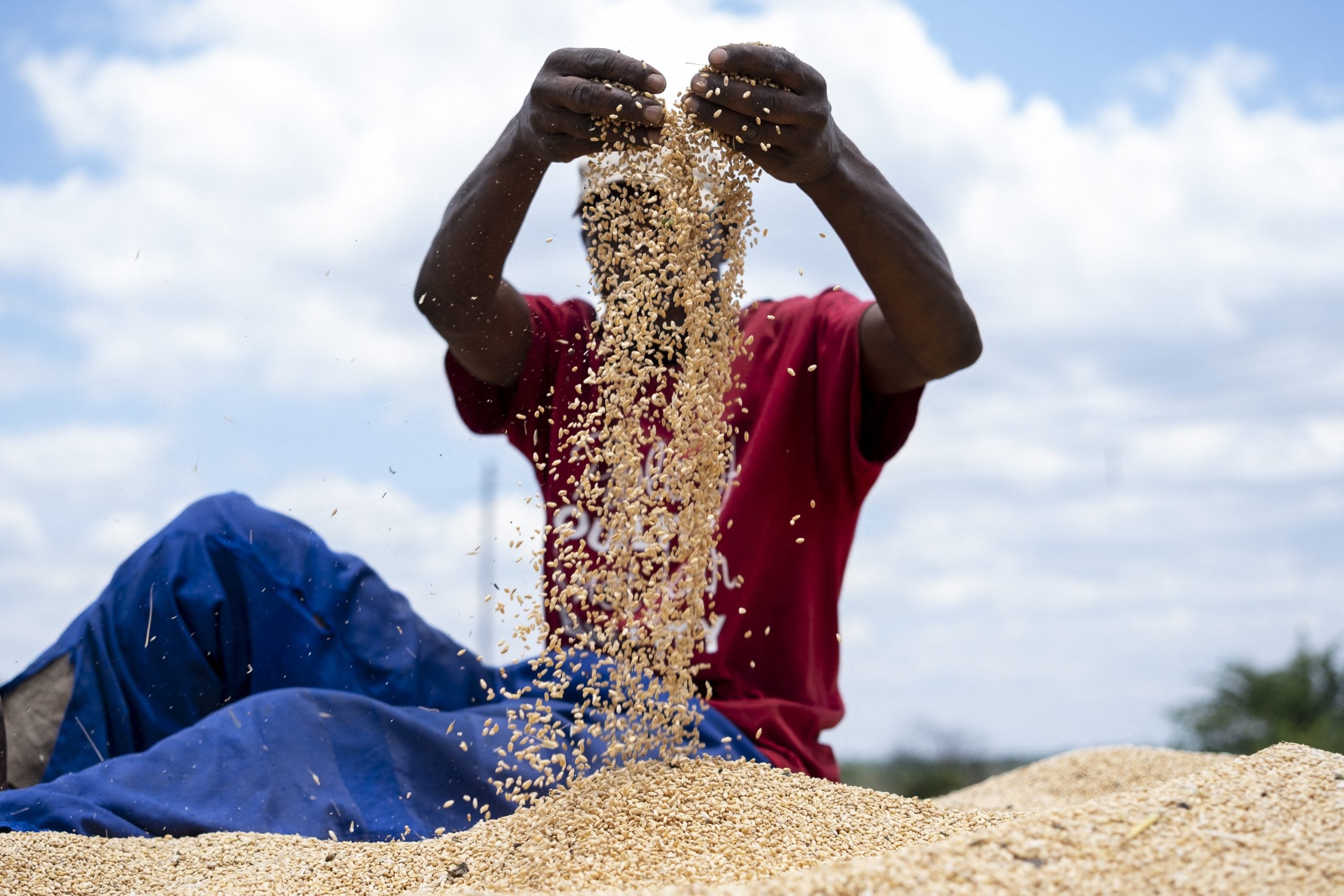
Nigeria: competing statistics and rising imports
Nigeria has the widest gap between official claims and independent data. The AfDB-financed National Agricultural Growth Scheme – Agro-Pocket (NAGS-AP) offers farmers 25% subsidies on seed and 50% on fertiliser, plus extension, insurance and digital input tracking. The AfDB says wheat area rose from 11,820 hectares in 2021 to nearly 400,000 hectares in 2025 and that output reached about 1.12 million tonnes, roughly 20% of demand. The USDA's figures, reported by World-Grain in September 2026, are far lower: about 140,000 tonnes in 2026/27, against demand above 6.8 million tonnes and imports rising to about 7.2 million tonnes, some 500,000 tonnes more than the previous year. ActionAid Nigeria has called for 'far more evidence-based assessment to distinguish verified outcomes from competing claims.'
Several structural factors push against import substitution in Nigeria: insecurity across the northern wheat belt, a shrinking Lake Chad water base, a 5% import tariff plus a 15% levy that raises flour costs, and a milling industry in which five firms hold about 96% of capacity and depend on imported grain. Per-capita wheat consumption is about 25 kg and still growing.
What to do with the reprieve
A comfortable global market gives African governments a policy opportunity. The FAO expects the world food import bill to rise only about 1.9% in 2026 to US$2.267 trillion, with the cereal bill up about 3%. That is manageable, but it depends on calm weather in the Black Sea, the Americas and Australia. Several reforms are easier to make when grain is cheap than when prices spike:
Africa's demand for wheat will keep growing with its cities. Better harvests and softer prices have bought time, not a solution. The governments that use this season to fix subsidies, price signals and statistics will be in a stronger position when the market next tightens.