Written By | Halson Kagure
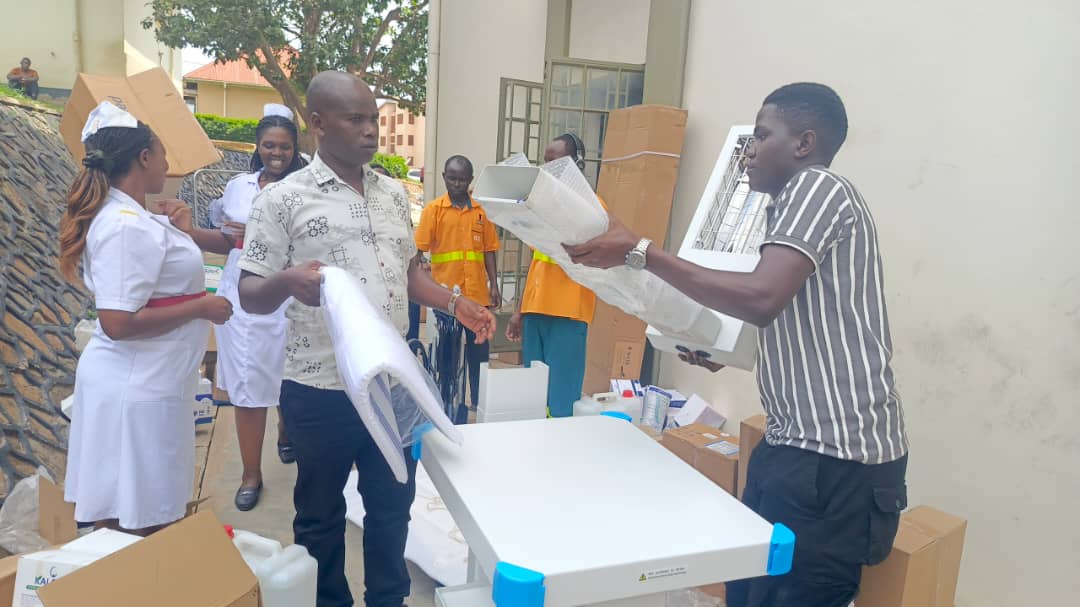
The supplies are essential for the day-to-day running of hospital wards, where shortages can directly affect the quality of care patients receive.
Mbarara
Mbarara Regional Referral Hospital (MRRH) has received medical supplies and equipment worth Shs 130 million from Mbarara University of Science and Technology (MUST), in a partnership aimed at strengthening frontline healthcare delivery.
The support, delivered through the Clinical Services Committee (CSC), a joint body comprising medical personnel from both institutions, includes a phototherapy machine for newborn care, wheelchairs, disinfectants, surgical sets and personal protective equipment.
The supplies are essential for the day-to-day running of hospital wards, where shortages can directly affect the quality of care patients receive.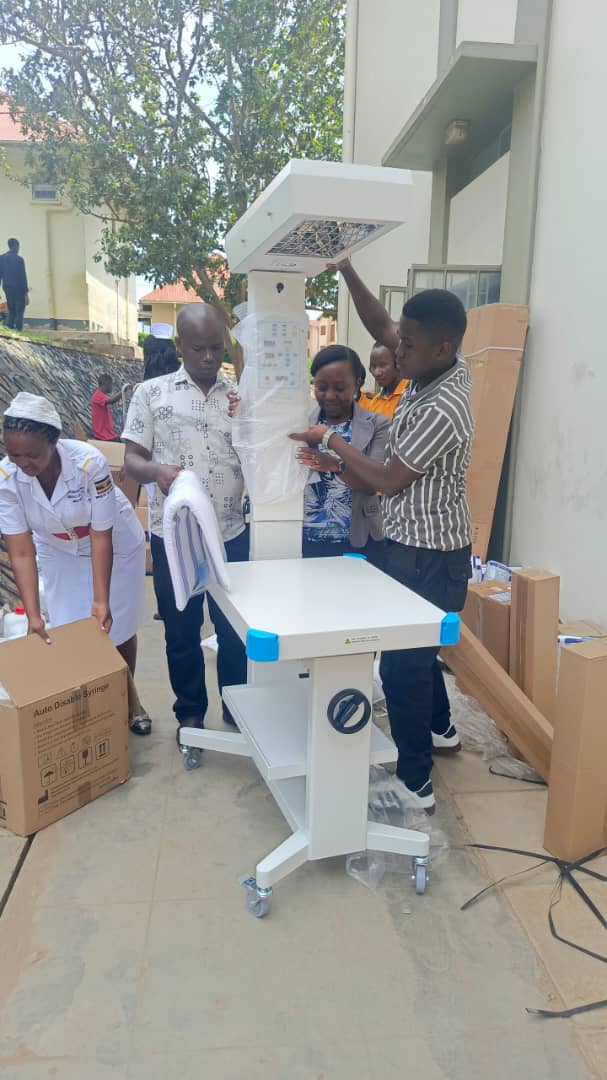
The handover was led by Dr Rose Muhindo, a kidney physician at MUST and MRRH and Chairperson of the CSC. The items were received on behalf of the hospital teams by Dr Peter Buzare, a pharmaceutical expert and Deputy Chairperson of the committee.
With approximately 90 interns rotating through MRRH at the end of each academic year, MUST has a direct interest in ensuring that students train in an environment where essential medical supplies are available to support supervised clinical practice and help them acquire practical skills.
"This is a regional referral hospital. It is very big and serves very many patients on a very limited budget from the hospital side. So many times patients will come, but things will not be in the hospital," Dr Muhindo said.
The support supplements government medical supplies delivered periodically through the National Drug Authority (NDA) to public hospitals, including MRRH. Although these deliveries remain a critical component of the public healthcare supply chain, they do not always meet the demands of busy hospital wards.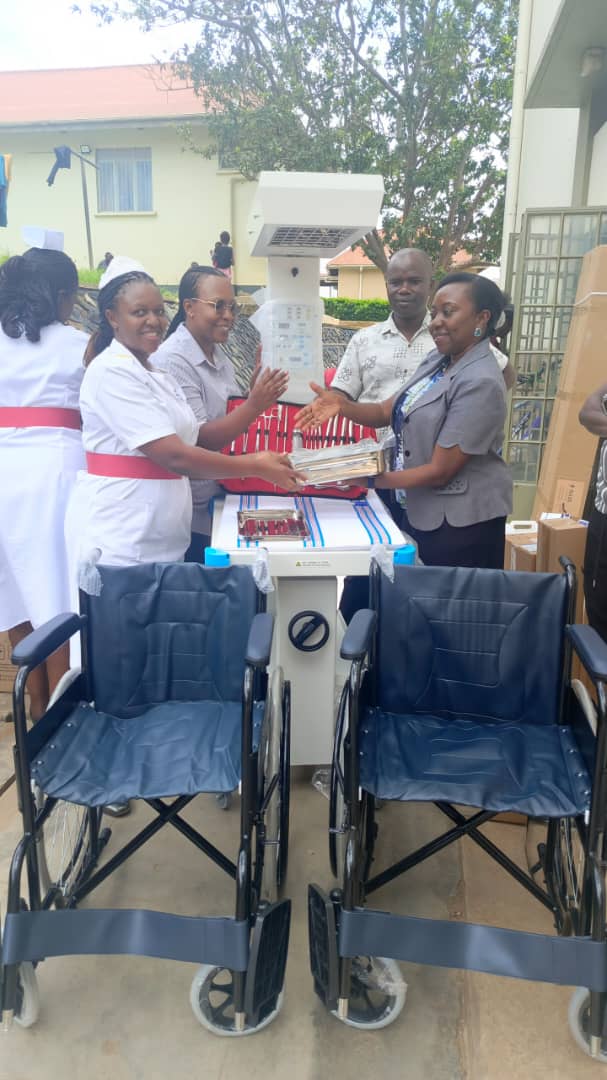
MRRH's annual budget for drugs and medical sundries stands at Shs 3.58 billion, translating into Shs 895 million per quarter.
However, with a catchment population of more than 6.5 million people in Ankole and a referral reach extending to more than 12 million people across Western Uganda and beyond, the pressure on the hospital's resources remains significant.
The high consumption of medical sundries, coupled with concerns about stock-outs and patients having to meet some healthcare costs out of pocket, continues to highlight the need for additional support.
Dr Buzare explained how the funding is utilised and why the contribution is important to clinical services.
"The university extends some funding to contribute to consumables used in clinical services in the hospital, and we utilise these funds to provide supplies used in clinical care," Dr Buzare said.
"It is serving a purpose as the government works on the commitments to increase the hospital budget to meet the ever-increasing needs."
He added that the committee prioritises items that are quickly consumed and directly affect patient safety, hygiene and continuity of care.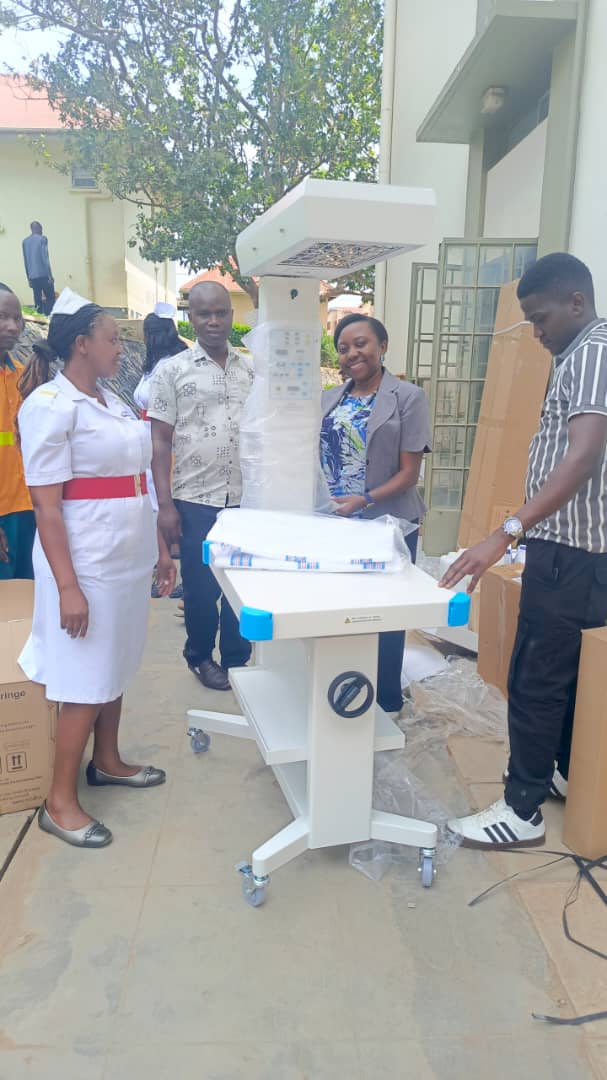
Dr Deus Twesigye, the hospital's Acting Senior Executive Consultant and Senior Consultant General Surgeon, has often described the relationship between MRRH and MUST as conjoined and difficult to separate.
MRRH existed long before MUST was established in 1989 under the National Resistance Movement government. The hospital subsequently became a teaching affiliate of the university, and the two institutions have continued to grow together.
"When our students are on the ward, they must have what they need to work. When the hospital has what it needs, patients do not have to go out and buy what should be available. This support may not solve everything, but it keeps services moving, and it protects both learning and patient care," Dr Twesigye said.
The handover reaffirms the shared commitment of MUST and MRRH to improving the quality of healthcare, supporting medical training and reducing the financial burden on patients who already face significant healthcare costs.