BUSINESS & ECONOMY
A shutdown of downtown Kampala's arcades over URA taxes and enforcement ended with pledges from the Prime Minister and President — but traders say they will judge the deal by what Cabinet delivers next week.
Downtown Kampala's shops began reopening on Thursday and Friday after a three-day strike by traders protesting what they describe as excessive taxation and heavy-handed enforcement by the Uganda Revenue Authority (URA). The shutdown, which began on Tuesday, November 17, 2026, emptied arcades from Owino to Kisekka, including the Kikuubo wholesale hub and Nakasero, at the start of the November–December trading season on which many small businesses depend to recover their investments.
Traders called off the action after the government made a series of commitments at talks chaired by Prime Minister Robinah Nabbanja, and after President Yoweri Museveni, through the Prime Minister, appealed to them to reopen while their grievances were resolved. "As leaders, we are going to ensure that everything the government promised is fulfilled," John Kabanda, president of the Federation of Uganda Traders Associations, told the Daily Express. Not everyone was ready to stand down: Kampala City Traders Association (KACITA) chairman Issa Ssekito said some members were waiting to see whether government would follow through. "We shall wait a little longer and see what comes out of the engagements," he said.

How the shutdown unfolded
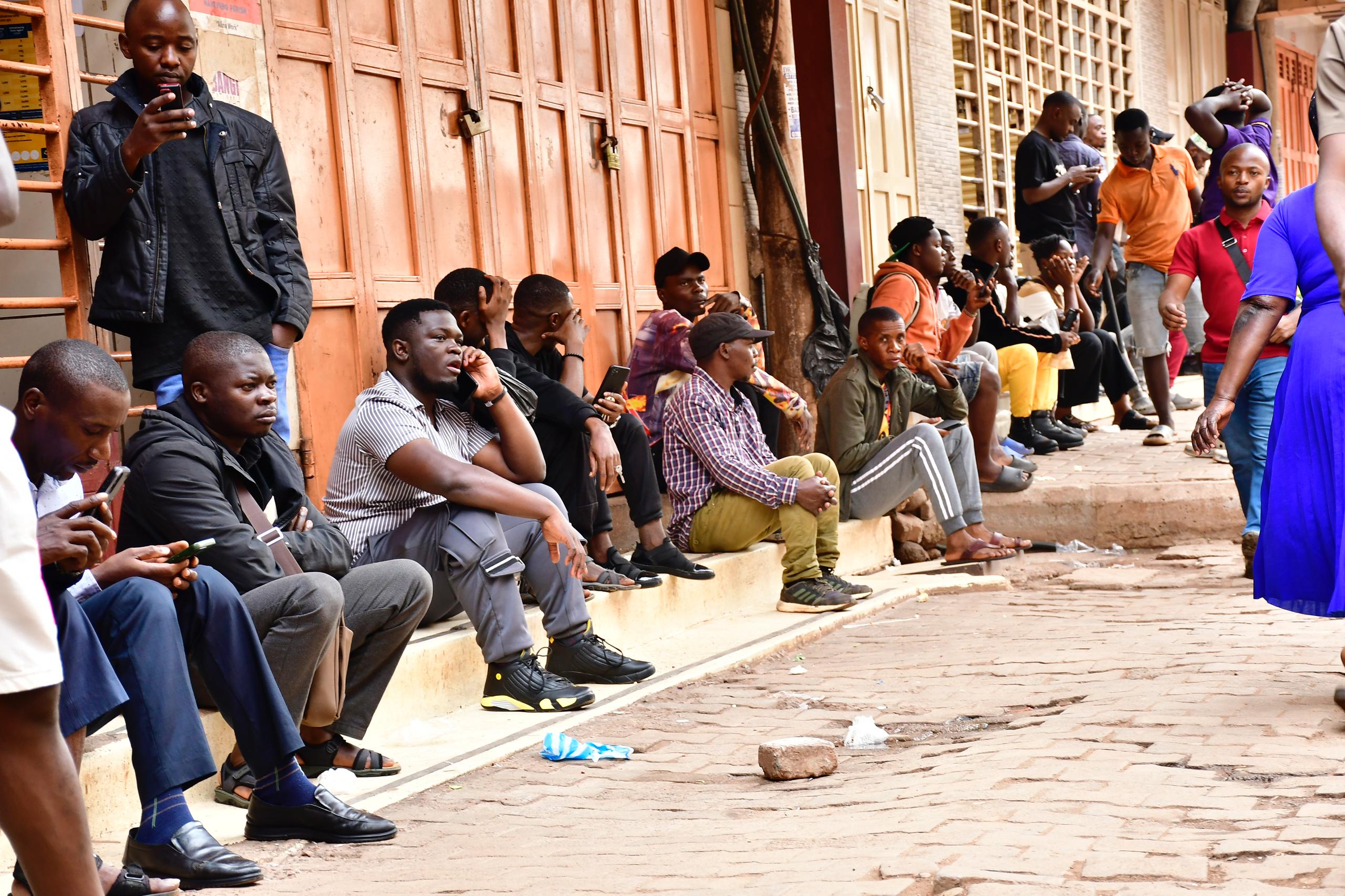
On Tuesday, shops in the Skylight, Dembe, Bypass, Nabukera and Pentagon arcades, Shopping Centre and Qualicel Bus Terminal Shopping Centre stayed shut, according to The Independent. Nile Post described business across several commercial streets as near standstill, with shop attendants sitting outside closed premises. The protest was peaceful, with no placards or attacks reported, though traffic police, military police and Kampala Capital City Authority enforcement teams were deployed, partly over fears that striking traders might try to force others to close.
By Wednesday morning the closure had widened into what Pulse Uganda called a "total shop shutdown" across the central business district. KACITA had called for a month-long strike, and traders voted online on Tuesday night to keep shops closed until the outcome of Wednesday's talks with the Prime Minister.
The strike followed a breakdown in dialogue with the tax body. A meeting between traders and URA at Nakawa on November 10 collapsed after traders objected to a security requirement to surrender their mobile phones at registration; URA, for its part, accused traders' leaders of bringing disruptive individuals, which traders denied. KACITA then declined a November 16 meeting with URA, citing short notice.
What traders want
At the core of the dispute is the way imported textiles and garments are taxed. Traders object to assessment by weight — a per-kilogramme charge they say is excessive — and to delays in clearing imported goods, with some consignments reportedly stuck in warehouses for months. Prime Minister Nabbanja told Parliament that the textile and garment tax policy is the central issue.
The wider list of grievances reported by The Independent and Pulse includes allegedly violent enforcement by URA officers; high rents and rising costs of doing business; customs clearance procedures for goods routed through Nairobi; a new cargo clearance process for buses carrying textiles; alleged textile smuggling and revenue leakages during container loading; enforcement of the Electronic Fiscal Receipting and Invoicing Solution (EFRIS), which traders want applied to city landlords as well; and tax holidays reportedly granted to some foreign investors, which one clothes trader at Qualicel called unfair to local businesses. Some traders also asked for dedicated parliamentary representation, similar to the special-interest seats held by youth and older persons.
The business community was not united. The National Entrepreneurs and Traders Association declined to join, arguing that closures would deepen losses while negotiations continued. Charles Yiga, chairperson of Kampala Arcade Traders, urged colleagues to reopen for the festive season: "Let's calm down, find a way of talking to the government and see how we can sort this out." Edward Ntale of the Uganda Traders and Entrepreneurs Association argued that the target should be policymakers rather than the revenue body: "We can't blame URA because they are also sent."
The government's response
Speaking during Prime Minister's Question Time on Thursday, November 19, Nabbanja said the President had asked traders "to suspend the strike until when we shall give them a clear answer after Cabinet meeting." She outlined several commitments: a review of the textile and garment tax policy to align it with other East African Community partner states; release of goods belonging to compliant traders within three days; improvements to how URA conducts enforcement operations, including the interception of merchandise moving out of Kampala; and a review of clearance procedures for goods imported via Nairobi.
Nabbanja defended the original intent of the garment tax — "The tax came with the intention of protecting our local producers" — but conceded it would be reviewed. She said government had set up an inter-agency revenue harmonisation committee that she chairs, and that the President had directed her to prepare a Cabinet paper for a comprehensive resolution. "We do not want a repeat of strikes in the city," she said. She also noted that some traders allegedly under-declare goods or divert them through Kenya, which is why URA has deployed enforcement teams.

Why it matters
The strike lands on an economy already under strain. The Bank of Uganda raised its Central Bank Rate from 9.75% to 12% on October 14 — its largest single increase since 2011 — after headline inflation hit 4.6% in September, the highest since mid-2023, driven by a weaker shilling and fuel prices that were around 31% (petrol) and 42% (diesel) higher than a year earlier. The bank's Business Tendency Index fell to 53.5 in October from 56.7, its lowest reading since February 2023, with wholesale trade confidence slipping to 46.7 and access to credit scoring just 38.9.
Against that backdrop, Kampala's traders are squeezed from several directions at once: costlier credit, costlier imports, rising rents and — in their telling — a more aggressive tax collector. For government, the dispute exposes a familiar tension between raising domestic revenue, protecting local manufacturers through tariffs, and keeping the informal and semi-formal trading sector, a major employer, on side. Harmonising textile taxes with EAC partners could also reduce the incentive to route goods through Kenya, one of the enforcement problems URA cites.
What to watch next
The coming week is decisive. President Museveni is scheduled to meet URA officials on Monday, November 23, and has promised to meet traders the following day. Cabinet is expected to consider a comprehensive response on Tuesday, November 24, and Deputy Speaker Thomas Tayebwa has asked the Prime Minister to report back to Parliament on Wednesday, November 25.
Watch for the detail of any revised textile tax — whether the per-kilogramme assessment is replaced or reduced, and how it compares with Kenyan and other EAC rates — and for whether impounded goods are actually released within the promised three days. KACITA's threat of a month-long shutdown has been suspended, not withdrawn; if Cabinet's answer disappoints, a second, longer strike in the peak Christmas trading period remains a real risk.
Published By | Business News Editor